Summer Dance Intensive Nutrition: 6 Areas to Focus on for Fueling Successfully
For many, summertime is a time for vacations and relaxation, however for a dancer, summertime may include weeks of intense training. Summer intensives for dancers are an important part of dance culture because it’s a time for networking, refining technique, and learning new choreography or styles of dance. As exciting as these weeks are, it’s easy to be caught up in the fast-paced environment and forget one of the most important things, which is to fuel yourself.
Photo from Canva Pro
One of my most memorable experiences was when I was able to attend the Sarasota Ballet summer intensive as a high schooler. It was a fun experience for me because not only did I get to work with ballet teachers who taught professionals, but I also got to experience the intertwining Cuban culture within their ballet company. One thing I always look back on was how intense this intensive was. I was dancing from morning to afternoon with one lunch break in between. There were days where I was tired in the morning and my feet were swollen from the constant rehearsing for the final performance of the intensive. As a dance-focused dietitian, I always look back to think, how could I have better prepared myself through food, so maybe I wouldn’t have broken down so much, despite having a wonderful experience.
In the world of ballet and dance, dancers live a lifestyle of hard work and discipline, but that doesn’t mean a dancer has to forget to take care of themself. If you are a parent of a young dancer, often times summer intensive also means that your dancer is going away to another city, state, or maybe country to get a unique experience, so often they are on their own to decide how to take care of themselves through an intense program. Preparing them properly and discussing their nutritional needs is one of the important discussions a parent should have with a dancer going away for a summer intensive. Also, if you’re a pre-professional or professional dancer, your food schedule is something that needs to be taken into consideration. Planning appropriately often means a more successful outcome.
Below are 6 areas of nutrition to focus on to ensure you or your dancer is fueled for success.
1. Breakfast Before Class

Photo from Canva Pro
Breakfast before class is probably one of the most purposely forgotten meals since many dancers do not want to be rehearsing with a heavy stomach, however it’s one of the most important meals that will ensure an appropriate set up for fuel throughout the day.
I always recommend a breakfast that includes protein and a fiber (carbohydrate) source so that dancers have protein to help the building of strength in their muscles as well as a fiber option that will allow long lasting energy throughout the day. Below are some options you may want to consider:
Oatmeal with diced apples, brown sugar, and cinnamon. Pour cold milk overtop for additional protein.
Eggs with a side of whole grain toast and butter and fruit
High protein yogurt (such as Ratio), with mixed berries and granola
Avocado on whole grain toast, with an egg on top (over medium or hard boiled). Season with salt and pepper or everything bagel seasoning.
Sometimes a dancer is on the go, so they may have to turn to pre-made options. Some of my favorite on the go breakfast items include:
Starbucks Eggs and Cheddar Protein Box
Core Power Protein Drink with a granola bar
Sandwich Bros Frozen Breakfast Sandwich with Fruit
An approximately 500 calorie smoothie from a smoothie place, such as Smoothie King
2. Snacks In-Between Classes

Photo from Canva Pro
Snacks are another important component to have in you or your dancer’s lunch box. This involves really looking ahead and knowing how intense the day will be. If classes start at 8 am and go until 4 pm, then I recommend having at least two snacks available to ensure continued and quick energy.
Unlike breakfast, I would lean more into carbohydrate snacks that provide a quick source of energy to keep the body in motion. These are some of the snacks I generally recommend, that are easy and won’t weigh to heavy on the stomach:
Pretzels
Goldfish
Crackers
Gummies
Energy gummies or snacks made for athletes (I often recommend Honey Stinger)
Granola bars or balls (which can easily be made from home if preferred)
Trail mix
Chips
It’s also important to remember to consider portion control. This is a small snack to boost energy, so consider buying pre-portioned bags or ensure you are reading the label when portioning snacks out.
3. Lunch Break

Photo from Canva Pro
Lunch break is essential to maintaining fuel for the day. When it comes to lunch, a dancer needs something that won’t make her feel sick for the rest of the day, however ensuring it continues to provide energy and support for optimal performance. A lunch needs to be well-balance, attempting to include at least 3 of the 5 main food groups (protein, grains, fats, fruits, and/or vegetables) during this meal time. Here are some examples of meals a dancer may consider to have in their lunch bag:
Sandwich on whole grain bread with your favorite protein (peanut butter, tuna salad, egg salad, chicken salad, turkey meat) with a side of fruit or vegetables
Your favorite salad with a mindful amount of dressing, adding tortilla strips or croutons for an extra crunch. One of my favorite pre-packaged salad brands I recommend often is Taylor Farms. Make sure to add a protein!
Lightly breaded or grilled chicken nuggets, with vegetables and low-fat ranch dressing
Banana and peanut butter roll ups on a whole grain wrap with fruit or vegetables as a side
4. Protein After a Full Day of Classes
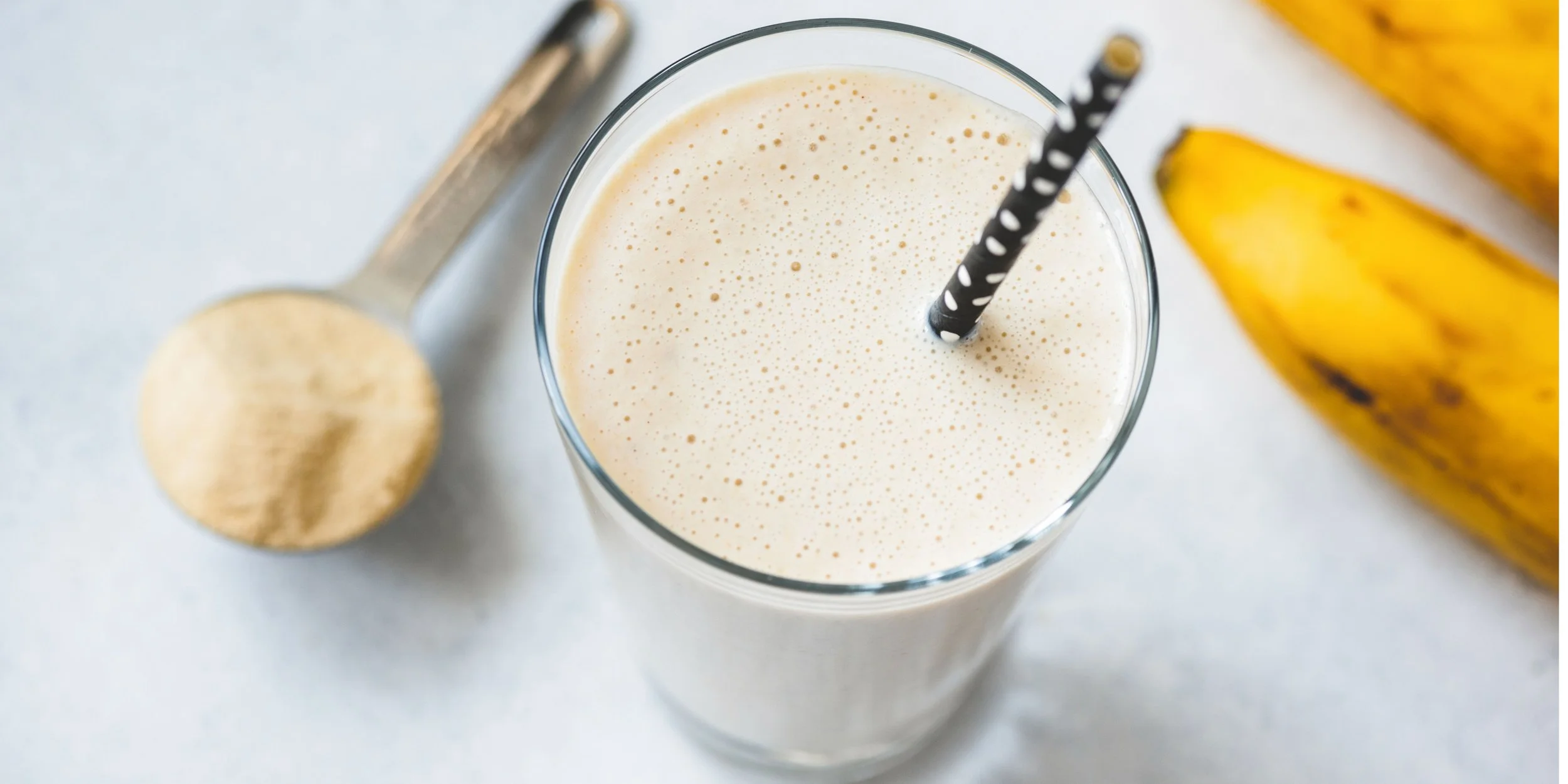
Photo from Canva Pro
Since summer intensives are intense, muscles are being broken down and require rest and recovery. To help the recovery process, I always recommend a protein and carbohydrate source right after or within 2 hours of classes. Here are some examples of protein and carbohydrate sources I would recommend:
Protein Bar (from the store or homemade)
Ready to drink Protein Shake
Nuts and dried fruit/Trail mix
Peanut/nut butter and jelly sandwich
Jerky and an apple
Smoothie with protein added (protein powder, Greek yogurt, nut butters)
5. Dinner
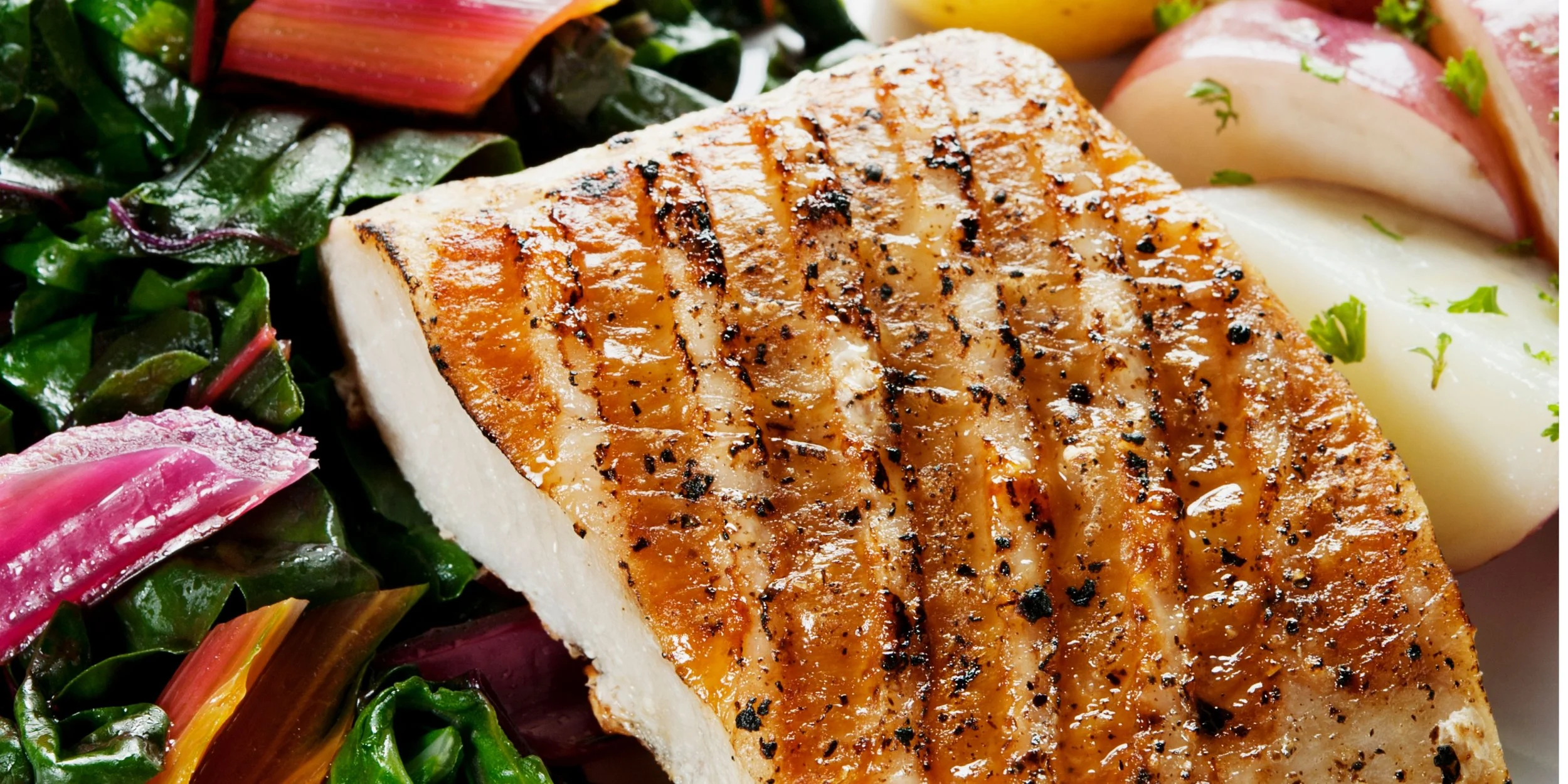
Photo from Canva Pro
Dinner will likely be one of the last and largest meals of the day. This meal is important because it’s helping you or your dancer recovery and re-fuel for the next day. Dinner should be balanced, ensuring you or your dancer is consuming at least 3 out of the 5 food groups during this time. As a small review, protein helps recover and build muscle, fats help with recovery and hormone processes, carbohydrates are essential for energy and fuel, and fruits and vegetables are needed from micronutrients and fiber.
Dinner is also time to relax and either enjoy some alone time or go out with fellow dancers to discuss and relate during the program. This helps with stress and also develops relationships that may be important down the road in you or your dancer’s career.
6. Water Intake

Water intake may be one of the hardest concepts to understand because it plays a role in electrolyte balance which is quite complicated, however it’s another important component to staying on top of the game when it comes to being extremely active. I also often get asked when is it appropriate to have a sport drink over water. Below are tips for staying hydrated I recommend following during a summer intensive program:
Have a water bottle with at all times and sip on it through out class to remain hydrated.
Choose water as a drink of choice for mealtimes.
Drink 8-16 oz of water after a day of classes
Having a snack that contains salt (such as salted pretzels or salted popcorn) can help with electrolyte replenishment.
If dance class has gone on for more than 2 hours, it’s humid, it’s hot, or you or your dancer is a heavy sweater, consider drinking a sports drink. If you or your dancer has cramping, such as in the calves, this may mean electrolytes need replenished.
Discuss with a dietitian about an estimated fluid goal to help better determine fluid needs.
Fueling correctly doesn’t have to be hard, but it’s important and worth the conversation or self-reflection. If you or your dancer is tired, struggling to get through class, or prone to sickness, then there is a chance you or your dancer is not eating enough and needs to consider how to incorporate the right fuel into a dance routine, especially during an intense program such as a summer intensive. If you don’t know where to start, I will always recommend starting with speaking with a registered dietitian, such as myself, who can help personalize goals and help successfully prepare you or your dancer for intense programs.
Maura Fowler, MPH, RDN, LDN